The Witch Alder: A Magical Tree With A Dark Past
The witch alder, also known as fothergilla, is a small deciduous tree that is native to eastern North America. It is known for its beautiful white flowers that bloom in early spring, and its peeling bark that reveals a striking orange or red inner bark. The witch alder is also said to have magical properties, and has been used in traditional medicine for centuries.
In this blog post, we will explore the history, folklore, and medicinal uses of the witch alder. We will also discuss its current conservation status and how you can help to protect this important tree species.
History and Folklore
The witch alder has a long history of use in traditional medicine. The Native Americans of North America used the tree's bark, leaves, and flowers to treat a variety of ailments, including fever, sore throat, and stomachache. The early European settlers also used the witch alder for medicinal purposes, and it was even included in the United States Pharmacopeia from 1820 to 1916.
The witch alder is also a popular tree in folklore. In some cultures, it is believed to be a magical tree that is inhabited by fairies and other spirits. In other cultures, the witch alder is associated with death and witchcraft. For example, in the Salem witch trials, the accused witches were often accused of using witch hazel to cast spells.
Medicinal Uses
The witch alder contains a number of compounds that have medicinal properties. These compounds include flavonoids, tannins, and triterpenes. Flavonoids are antioxidants that can help to protect the body against damage from free radicals. Tannins have astringent properties that can help to reduce inflammation and bleeding. Triterpenes have anti-inflammatory and immune-boosting properties.
The witch alder has been used to treat a variety of ailments, including:
- Fever
- Sore throat
- Stomachache
- Diarrhea
- Hemorrhoids
- Menstrual cramps
- Urinary tract infections
- Skin conditions
- Wounds
The witch alder is generally safe for most people to use. However, it is important to note that it can interact with certain medications, so it is important to talk to your doctor before using it.
Conservation Status
The witch alder is not currently considered to be a threatened or endangered species. However, it is vulnerable to habitat loss and fragmentation. The witch alder prefers moist, shady areas, and these habitats are often being converted to other uses, such as development or agriculture.
You can help to protect the witch alder by planting it in your yard or garden. You can also support organizations that are working to conserve witch alder habitat.
Conclusion
The witch alder is a beautiful and versatile tree with a long history of use in traditional medicine. It is also a popular tree in folklore. While the witch alder is not currently considered to be a threatened or endangered species, it is important to protect its habitat so that it can continue to thrive for generations to come.
Witch alder (Fothergilla) is a beautiful and versatile shrub that is native to North America. It is known for its fragrant, bottlebrush-like flowers in spring, its leathery blue-green summer foliage, and its spectacular fall color (leaves turn fabulous shades of yellow, orange, and red-purple). Witch alder is also relatively easy to care for, making it a popular choice for gardeners of all skill levels.
If you are interested in learning more about witch alder, I recommend visiting Garden Wiki. This website has a wealth of information about the plant, including its history, cultivation, and uses. You can also find photos of witch alder in all stages of growth, as well as tips on how to care for it in your own garden.
FAQ of witch alder
- What is witch alder?
Witch alder, also known as gray alder, black alder, or European alder, is a deciduous tree native to Europe and Asia. It can grow up to 60 feet tall and has a spreading, oval crown. The leaves are dark green and oval-shaped, and the flowers are small and white. Witch alder is a hardy tree that can tolerate a wide range of soil conditions and moisture levels. It is often used for erosion control and wildlife habitat.
- What are the medicinal properties of witch alder?
Witch alder has a long history of use in traditional medicine. The bark, leaves, and twigs have been used to treat a variety of ailments, including diarrhea, dysentery, fever, and inflammation. Witch alder contains a compound called salicin, which is a natural pain reliever and fever reducer. It also contains tannins, which have astringent properties.
- Is witch alder safe to use?
Witch alder is generally safe for most people when used in moderation. However, it can cause side effects such as nausea, vomiting, and diarrhea. It is important to consult with a doctor before using witch alder, especially if you are pregnant or breastfeeding.
- How can I use witch alder?
Witch alder can be used in a variety of ways. The bark can be made into a tea, the leaves can be added to salads, and the twigs can be used to make a tincture. Witch alder is also available in capsule and extract form.
- Where can I find witch alder?
Witch alder is native to Europe and Asia, but it can also be found in North America. It is often found growing in wet areas, such as along streams and rivers. Witch alder can also be found in nurseries and garden centers.
Image of witch alder
5 different images of witch alder from Pinterest:
- Witch alder tree in winter. This image shows a witch alder tree in winter, with its bare branches reaching up to the sky. The tree is surrounded by snow, and the ground is covered in a blanket of white.
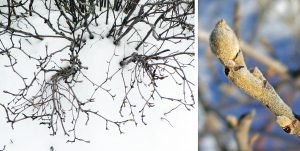
- Witch alder tree in spring. This image shows a witch alder tree in spring, with its leaves just starting to bud. The tree is surrounded by lush green foliage, and the ground is covered in wildflowers.
- Witch alder tree in summer. This image shows a witch alder tree in summer, with its leaves fully grown. The tree is surrounded by tall grasses and wildflowers, and the sky is a clear blue.
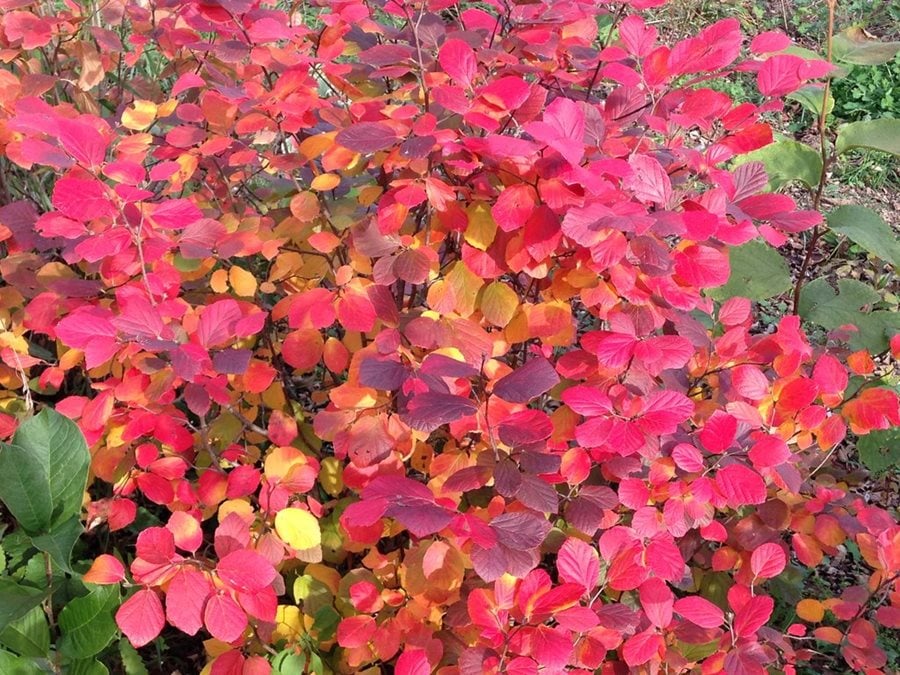
- Witch alder tree in fall. This image shows a witch alder tree in fall, with its leaves changing color. The tree is surrounded by orange, red, and yellow leaves, and the ground is covered in a blanket of colorful foliage.
- Witch alder tree close-up. This image shows a close-up of a witch alder tree. The tree has smooth, gray bark and dark green leaves. The leaves are arranged in a spiral pattern, and they have serrated edges.


Post a Comment for "The Witch Alder: A Magical Tree With A Dark Past"